

Skip links
Manual Attendance vs Automated Attendance accordhrm

Manual Attendance vs Automated Attendance

A manual attendance system records employee attendance using paper sheets, punch cards, or Excel spreadsheets. HR teams manually enter data, verify attendance, and prepare reports.

It might look simple, but in reality it’s a productivity trap. As your company scales, errors multiply, compliance risks grow, and manual tasks start eating into valuable HR time.

What Is a Manual Attendance System?

A manual attendance system records employee attendance using paper sheets, punch cards, or spreadsheets. HR teams have to manually track, verify, and calculate attendance—a slow, error-prone process that wastes valuable time.

For growing businesses, this often leads to mistakes in records and payroll, frustration for employees, and extra pressure on HR teams.

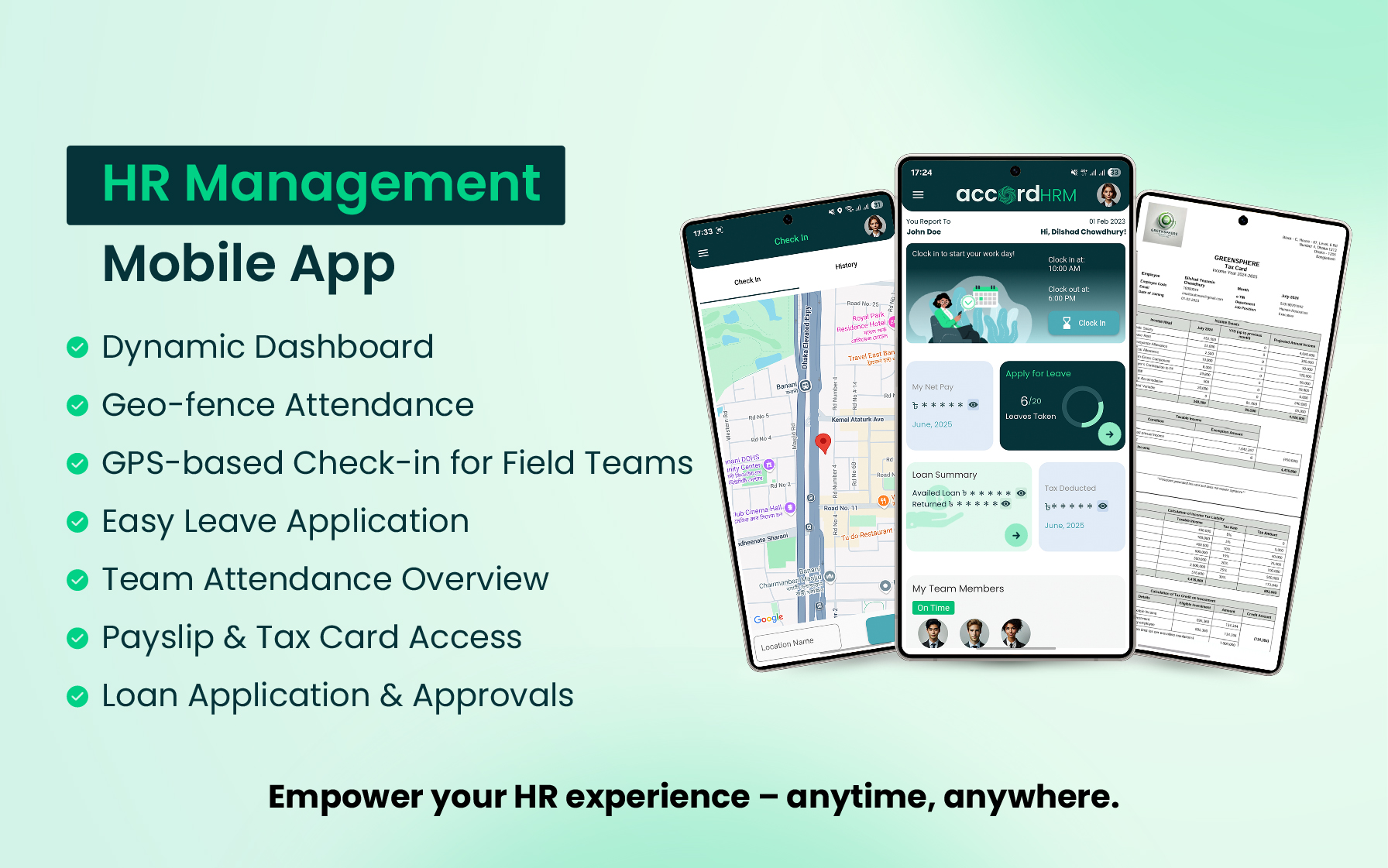
That’s why AccordHRM exists to make attendance management simple and stress-free. Our smart system automatically tracks attendance in real time, generates accurate reports instantly, and ensures your HR operations run smoothly without the usual headaches.

With AccordHRM, you don’t just save time you empower your team, streamline your workflow, and bring peace of mind to your workplace.

How a Manual Attendance System Works

Most manual systems follow this workflow:

  1. Employees sign attendance sheets or punch timecards.
  2. HR inputs data into spreadsheets.
  3. Managers review and verify each entry.
  4. HR prepares reports for payroll or audits.

While straightforward, this process drains time, invites errors, and provides minimal visibility. What appears “cheap” quickly becomes costly.

Top 5 Problems with Manual Attendance Systems

  1. Human Error Is Inevitable
    Manual entries guarantee mistakes. One incorrect record can distort payroll, affect overtime, or trigger compliance issues.
  2. HR Efficiency Suffers
    HR spends hours cross-checking data instead of supporting employees or driving growth.
  3. No Real-Time Insight
    Managers can’t instantly see who’s present, late, or absent, slowing staffing decisions.
  4. Compliance Risks Increase
    Labor laws require precise attendance records. Manual tracking heightens the chance of missing or falsified data, risking fines or disputes.
  5. Data Remains Scattered
    Files or spreadsheets fragment attendance records, making audits or disputes stressful and time-consuming.

Upgrade to AccordHRM – Smart Attendance & Leave Management

Automate Attendance with Accuracy

Capture real-time attendance with biometric devices, mobile apps, or API integration. Track remote teams through GPS check-ins and geo-fencing.

Key Features:

  • Real-time attendance syncing with external devices
  • Mobile attendance with GPS and geo-fencing
  • Accurate daily in/out records
  • Support for both on-site and remote teams

Manage Shifts, Overtime & Reports Effortlessly

Plan shifts, track overtime, and generate actionable reports. Stay compliant with labor laws and provide payroll-ready data instantly.

Key Features:

  • Create and adjust shifts in minutes
  • Automatically track overtime hours
  • Generate customizable leave and attendance reports
  • Export reports for payroll or audits

Conclusion

 A manual attendance system may feel familiar, but it costs more than you think lost hours, frustrated employees, and compliance risks add up. Automating with AccordHRM saves time, ensures accuracy, and gives your HR team space to focus on growth, engagement, and strategic priorities.

This website uses cookies to improve your web experience.